
From the roar of a next-generation rocket engine to the buzz surrounding a revolutionary new medicine, the sound of progress is being heard across Alabama.The state continues to chart an impressive path of economic development success, building on a longtime legacy of manufacturing excellence while also establishing expertise in emerging technologies.
“Our top-notch workforce, strong pro-business climate and steadfast community support form a winning combination as we seek to build a bright tomorrow for all Alabamians,” said Ellen McNair, Secretary of the Alabama Department of Commerce. “The world-class companies that call our state home know firsthand the power of our commitment to them and their objectives, and we believe that testimony is one of our greatest strategies in future growth.”
A Year of Investment Records for Alabama
2025 was a record-breaking year for industry recruiting in Alabama, with 234 projects that combined for a total capital investment of $14.6 billion, the highest annual total in state history, along with 9,388 new job commitments.
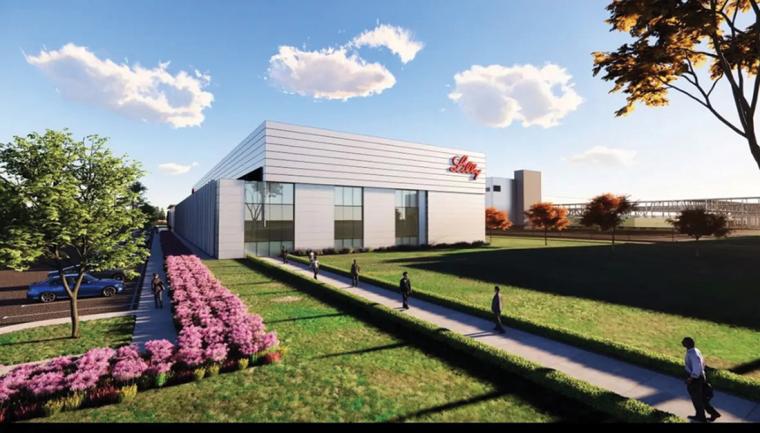
The largest announcement during the past year – also the biggest initial investment in Alabama history – is Eli Lilly and Company’s plans to invest more than $6 billion in Huntsville in an operation that will produce cutting-edge medicines.
The global pharmaceutical manufacturer plans to bring 450 jobs to the region, including those for engineers, scientists and lab technicians, to work at its planned synthetic medicine active pharmaceutical ingredient facility. Scheduled for completion in 2032, it will manufacture orforglipron, Lilly’s first oral, small molecule GLP-1 receptor agonist. (Huntsville’s Eli Lilly and Company project was a recipient of a 2026 CiCi Award for Corporate Investment from Trade & Industry Development magazine.)
Alabama is already home to more than 1,800 bioscience enterprises, and the annual economic impact of the sector has been estimated at $7.3 billion. Those numbers are poised to grow as Lilly’s plans take shape.
The HudsonAlpha Institute for Biotechnology, also in Huntsville, and the University of Alabama at Birmingham are major hubs for the state industry, fueling discovery, research grants and entrepreneurship.
Alabama Grows Its Strengths in Aerospace
Alabama’s robust aerospace and defense industry also continues to add to its ranks.
Last year brought the announcement of the U.S. Space Command headquarters’ move to Huntsville’s Redstone Arsenal, a development that is expected to grow the area’s sprawling network of defense contractors and highly skilled workforce.
All around the state, leading-edge tools and technology keep Alabama at the forefront of aerospace innovation. Pillars of the state industry are Airbus, which last year marked a decade of building passenger jets in Mobile, and Boeing, with vast, longtime operations in Huntsville that support space exploration and missile defense.
Alabama is also home to global manufacturers of weapons systems, rockets, helicopters and other products that are leading the way in the global defense industry. Overall, more than 300 aerospace companies from more than 30 countries have operations in the state.
Last year, Alabama aerospace exports reached $1.74 billion, growing more than 12 percent from the previous year.
In another sign of continued growth in the sector, Blue Origin has announced plans to add 100 jobs to its Alabama workforce. The move will support thruster production at one of the company’s three Huntsville facilities.
Driving Innovation in Automotive
For more than three decades, Alabama’s automotive industry has thrived with innovation, expertise and efficiency, producing vehicles that are in high demand in markets spanning the globe.
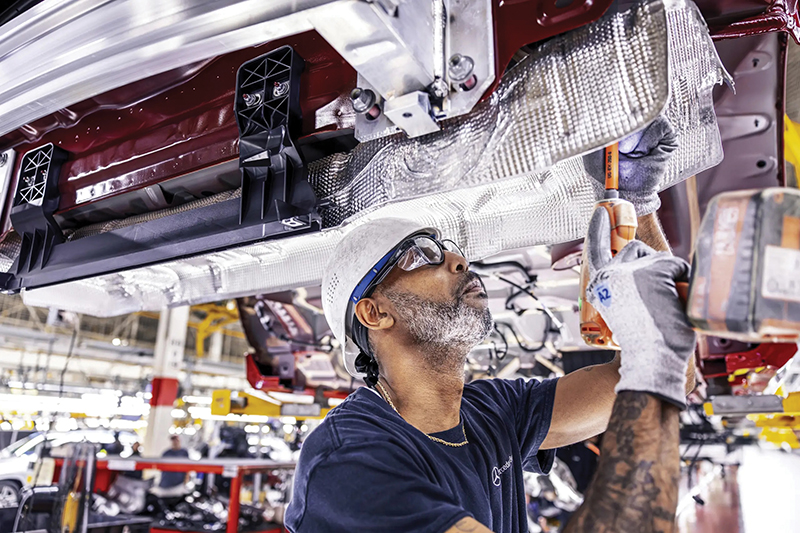
Mercedes, which birthed the state industry when it selected Tuscaloosa County as the site of its first manufacturing plant outside Germany, celebrated its 30th anniversary in Alabama in March of this year. In marking the occasion, the automaker announced it would invest an additional $4 billion in the local operations, which currently employ approximately 5,800 people and represents an investment of more than $7 billion.
Honda, Hyundai and Mazda-Toyota also build vehicles in Alabama and, along with Mercedes, have established a vast supplier and services network that crisscrosses the state. Combined, the state’s automotive assembly lines now build more than one million vehicles per year, putting Alabama among the top states for U.S. auto production.
That strong foundation is in itself a major draw for global auto firms.
Among the most recent industry announcements is Shinhwa Auto USA, which is planning a $37 million expansion in Auburn to install advanced tooling capabilities and vertical integration, as well as adding approximately 20 highly skilled engineering and technical positions. The company, part of a Korean automotive conglomerate, is incorporating Italian toolmaker SAPP S.p.A. into the local operations, following its acquisition of the firm.
Additionally, in Gadsden, global automotive supplier Minth Group Limited plans to turn the former home of Republic Steel and Gulf State Steel into its largest-ever campus in a $430 million, 1,300-job project. The Taiwan-based company will produce high-quality plastic and aluminum components for automakers in the U.S.
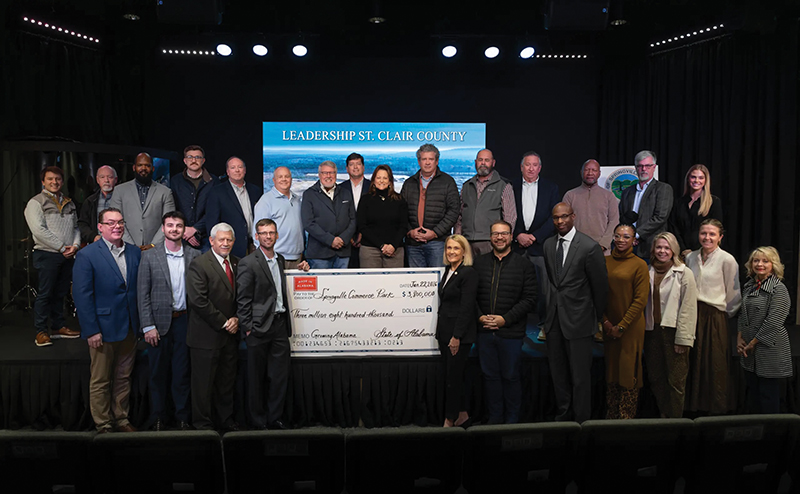
Photo provided by St. Clair County Economic Development Council
A Strong Community Building a Network of Success
One of the most important attributes of Alabama’s economic development success is that all communities have a seat at the table, from big cities to small towns.
Development in rural Alabama is flourishing. In 2025, the state’s rural counties combined to record a total capital investment of $2 billion and 2,011 new job opportunities.
One key project in this region is Georgia Pacific’s plans to spend $800 million in Monroe County to modernize, expand and streamline production capabilities at the company’s Alabama River Cellulose mill. The work will make the Perdue Hill facility the largest softwood pulp mill in the U.S.
Whether the projects land in rural Alabama or one of the state’s busy population centers, the recipe for success is readiness.
The Commerce Department’s strategic economic growth plan, Catalyst, helps map solid progress in targeted industries. Another important tool is the availability of shovel-ready locations.
The Site Evaluation and Economic Development Strategy program, known as SEEDS, aims to accelerate the development of new industrial sites. It’s a matching grant program that pairs state and local funds to prep dozens of parcels through land purchases, surveys, clearing, grading and other work. The Growing Alabama tax credits play a similar role, and communities across the state are taking advantage.
Another crucial element in the state’s economic development success is the premier worker training agency AIDT, which offers custom, rigorous programs to help companies achieve their goals. In April, the agency was awarded “Unconditional Approval” following its ISO 9001:2015 audit by the Performance Review Institute, which is the highest possible outcome and further proof of AIDT’s premier pedigree and world-class reputation.
Across Alabama, there’s a palpable momentum of progress, and that is translating into widespread prosperity.
Companies see it, communities feel it, and the success stories – written in design studios, high-tech labs and advanced manufacturing lines across the state – are being heard around the world. T&ID
Related Agencies
About the Author