
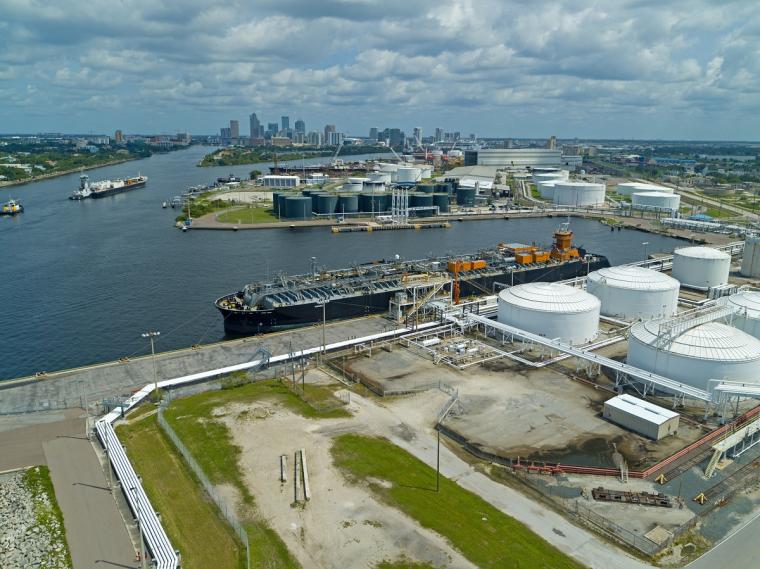
Port Tampa Bay is Florida’s largest and most diversified seaport, serving as a vital gateway for global trade, logistics and travel. Located in Tampa, the port sits at the heart of the Tampa Bay/I-4 Corridor—one of the fastest-growing distribution hubs in the United States. With immediate access to Interstate 4, companies can reach key markets, including Orlando, and connect to the broader Southeast. Within a 90-minute drive lies a robust logistics network encompassing more than 550 million square feet of industrial and distribution space, enabling faster cargo movement and reduced transportation costs.
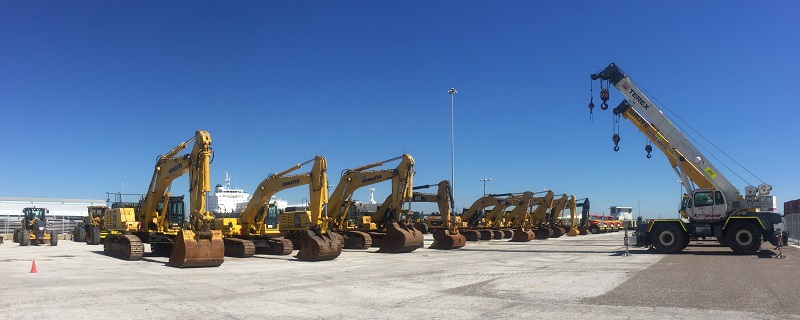
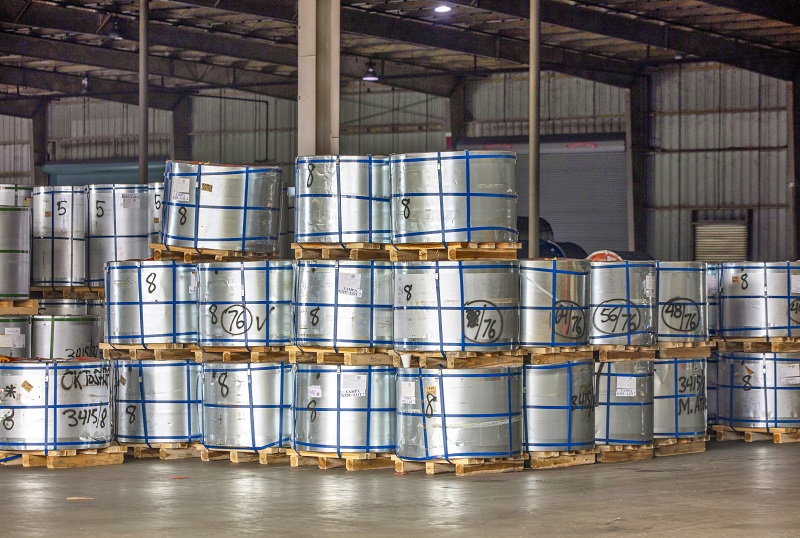
Spanning more than 5,000 acres of industrially zoned land with deepwater access, Port Tampa Bay is Florida’s largest port by tonnage, acreage and cargo throughput and a leading economic engine for the state, generating approximately $34 billion in annual economic impact and supporting more than 192,000 jobs. The port handles a wide range of cargo, including containerized freight, breakbulk and project cargo, bulk commodities, energy products and roll-on/roll-off shipments. It is also a top 10 U.S. cruise port, welcoming more than 1.6 million passengers annually, and a major hub for shipbuilding and repair.
Port Tampa Bay offers a compelling combination of flexibility, reliability and growth potential. Its uncongested operations, strong berth availability and efficient inland connectivity allow shippers to move cargo predictably and cost-effectively. As global supply chains adapt to congestion and rising costs, the port has emerged as a strategic alternative, with container volumes growing more than 300% since 2018.
Infrastructure investments are underway to support up to 1 million TEUs annually, including the recent arrival of two post-Panamax ship-to-shore cranes to accommodate larger vessel sizes and increase efficiency. These advancements are further supported by recent federal investments to enhance capacity and strengthen supply chain resilience.
A key differentiator is Port Tampa Bay’s foreign-trade zone (FTZ), which covers the entire port complex and provides significant logistical and financial advantages. With support from Port Tampa Bay, companies can store, assemble, test or manufacture goods in the FTZ to optimize supply chain efficiency. The FTZ also supports import-for-export operations, making it well-suited for manufacturers, distributors and global logistics providers. Expedited site activation further enables businesses to scale quickly.
Beyond port infrastructure, the region benefits from the broader Tampa Bay/I-4 Corridor Foreign-Trade Zone Project (FTZ No. 79), which extends throughout West Central Florida. Through the FTZ, companies can streamline compliance, improve efficiency and expand their global reach. A skilled workforce, business-friendly environment and continued population growth further strengthen the region’s appeal.
Port Tampa Bay’s strength lies in its diversification and forward-looking investment strategy. Through ongoing infrastructure enhancements and a commitment to customer-driven growth, the port continues to position itself as a reliable, flexible and scalable gateway. For companies looking to optimize supply chains, reduce costs and access one of the nation’s most dynamic markets, Port Tampa Bay offers both the location and the resources to succeed.
To learn more, visit porttb.com.
There are no comments
Please login to post comments