
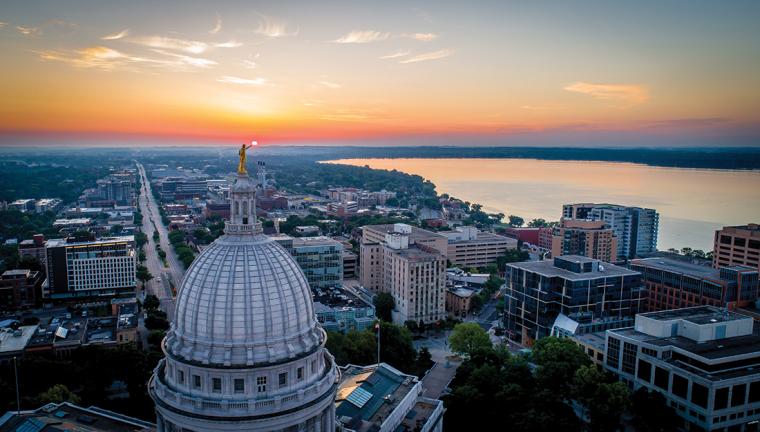
For companies evaluating their next corporate headquarters, manufacturing facility or real estate investment, long-term factors such as workforce reliability, long-term operating costs and risk mitigation outweigh splashy, short-term incentives. In that context, Wisconsin has emerged as a quietly compelling choice offering a stable, diversified economy built to support business performance over the long haul.
Long recognized for its manufacturing heritage, Wisconsin is redefining what it means to be a modern industrial economy. Through a combination of industry-driven workforce development, collaborative public-private partnerships, competitive operating costs and sector-specific strengths from biohealth to food and beverage manufacturing, the state is positioning itself as a low-risk, high-value location for corporate investment.
Collaboration as Infrastructure
One of Wisconsin’s most underappreciated advantages is the depth of collaboration embedded in its economic development ecosystem. Businesses operating in the state often point to the seamless coordination among state agencies, regional organizations educational institutions, and industry groups as a differentiator, particularly compared to more fragmented ecosystems elsewhere.
This collaborative approach is especially visible in the federally recognized Wisconsin Biohealth Tech Hub, led by Bioforward Wisconsin. Anchored by public-private partnerships and significant private investment, the hub is elevating the state’s life sciences profile while reinforcing existing strengths in medical devices, diagnostics and personalized medicine.
Rather than concentrating innovation in a single metro area, the biohealth ecosystem reflects Wisconsin’s broader development philosophy: leveraging statewide assets, connecting research institutions with industry and ensuring that growth opportunities extend beyond traditional boundaries. The result is a sector that is not only expanding but doing so in a way that is resilient, scalable and aligned with long-term workforce needs.
Manufacturing, Modernized
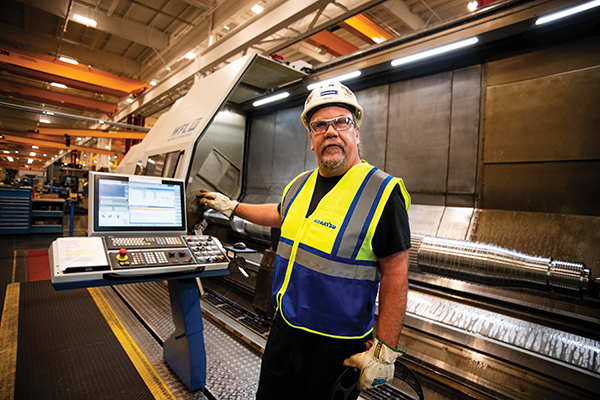
Manufacturing remains central to Wisconsin’s economy, but it is far from static. The state ranks number two in the nation for manufacturing jobs per capita and employment concentration across multiple subsectors, including fabricated metals, electrical equipment, plastics, rubber products, paper and printing. More than 8,000 manufacturing companies employ nearly half a million workers statewide, creating a diversified industrial base that reduces exposure to single-industry volatility.
What differentiates Wisconsin today is how that foundation is being modernized. Advanced manufacturing, automation and Industry 4.0 technologies are increasingly woven into operations across the state. In Southeastern Wisconsin, long known as a global hub for machinery and industrial expertise, companies are combining generations of manufacturing know-how with intelligent automation and digital systems, earning the region a new reputation as a center for smart manufacturing.
For site selectors and corporate real estate professionals, this evolution matters. A diversified manufacturing base not only stabilizes supply chains; it also accelerates speed to market, reduces operational risk and supports innovation across adjacent industries.
A Workforce Built for Industry
Workforce availability remains one of the most decisive factors in location strategy, and Wisconsin’s approach stands out nationally. Unlike systems that attempt to retrofit academic programs to industry needs, Wisconsin’s technical college system is designed around employer demand.
Local employers directly inform curriculum development at technical colleges across the state, ensuring that programs stay aligned with real-time workforce requirements. Every program is guided by industry advisory committees, resulting in graduates who are trained in current technologies, processes and equipment.
This employer-driven structure is reinforced by one of the nation’s most robust apprenticeship ecosystems. Wisconsin supports tens of thousands of active apprentices across hundreds of occupations, with a growing pipeline that begins at the high school level and transitions seamlessly into full apprenticeships and long-term careers. For companies planning multi-year expansions or projects, this pipeline provides confidence that talent will scale alongside operations.
Sector Strengths Driving Investment
While Wisconsin’s economy is broadly diversified, several sectors continue to attract significant investment. Biohealth and pharmaceuticals are experiencing sustained momentum, fueled by national trends toward expanding domestic manufacturing capacity. Food and beverage manufacturing, where Wisconsin has been ranked as a top state nationally, also remains resilient, benefiting from proximity to raw materials, established supply chains and a skilled production workforce.
These sectors share common site-selection priorities: reliable infrastructure, regulatory predictability and long-term cost competitiveness. Wisconsin’s manufacturing-friendly tax structure supports not just relocation projects but ongoing operations rewarding companies that invest, expand and stay.
A Business Climate Built for Long-Term Operations
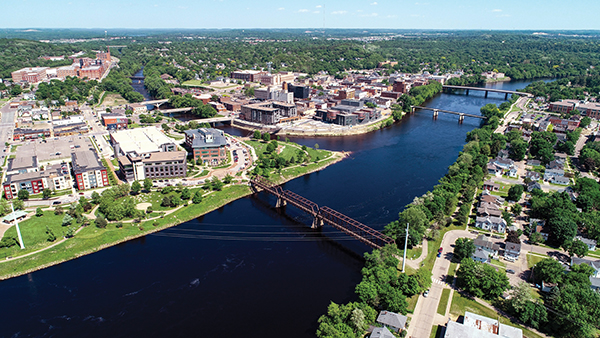
For companies evaluating locations through a long-term lens, operating costs often matter more than up-front incentives. Wisconsin’s business climate matches these priorities. Rather than relying on short-lived inducements, the state has structured its tax and regulatory environment to support companies throughout the full life cycle of their operations. Manufacturing, in particular, is embedded in Wisconsin’s economic framework, with tax credits and exemptions designed not just to attract new projects, but to reduce the ongoing cost of doing business for companies that invest, expand and operate in the state over time.
Equally important is Wisconsin’s economic diversification. Unlike regions dependent on a single dominant industry, the state’s broad manufacturing base, from advanced machinery and automation to food production and life sciences, helps insulate companies from sector-specific volatility. That diversification strengthens supply chains, supports a deep network of suppliers and contributes to a more resilient operating environment. For decision-makers weighing capital-intensive investments, these factors translate into confidence that costs will remain competitive, operations can scale efficiently and long-term risk will remain manageable.
Risk Reduction in an Uncertain Environment
In today’s volatile landscape, risk mitigation has become a core location driver. Wisconsin consistently ranks among the states least exposed to natural disasters, minimizing downtime and business interruption compared to regions facing hurricanes, wildfires or other extreme weather events. Coupled with long-term fiscal stability and predictable tax policy, the state offers a level of certainty that appeals to risk-averse investors and corporate boards alike. For companies making capital-intensive investments with multi-decade horizons, predictability is power.
Quality of Place, Quality of Performance
Beyond the balance sheet, Wisconsin offers a quality of life that supports talent attraction and retention. Communities across the state — both urban and rural — continue to invest in housing, infrastructure and placemaking to accommodate growth. These efforts help ensure that companies expanding in Wisconsin can recruit and retain the workforce they need, without the affordability pressures seen in many coastal markets.
From global manufacturers and life sciences firms to corporate headquarters and emerging innovators, companies are increasingly recognizing Wisconsin not just as a place to do business but as a place to grow strategically.
As site selectors and corporate leaders weigh their next moves, Wisconsin offers a compelling proposition: a collaborative environment, modern manufacturing capabilities, a workforce built for industry and a low-risk platform for long-term success. T&ID
Related Agencies
About the Author