

Trade & Industry Development’s 2026 CiCi (Capital Investment, Community Impact) winners in the category for capital investment represent a variety of industries, but the top two projects show the astonishing investments being made in data centers in the U.S. Our number one ranked project, the Stargate 1 project, is bringing an astonishing $47 billion in investment in Taylor County, Texas to build a new data center campus. Our second-ranked project, Hut 8, is also a data center, and will bring $10 billion in investment to West Feliciana Parish, Louisiana.
Collectively, these 15 projects that were announced in 2025 will bring more than $105,850,000,000 in private corporate investment to the regions in which they are located and will create and/or retain a total of 12,960 jobs.
These projects were enabled not only by the investing companies, but also the hard work of community leaders, local and state economic developers, as well as utilities. In the section below, we’ll take an in-depth look at how these investments are making a difference in communities.
Trade & Industry Development offers congratulations to all the winning projects, and we look forward to watching them unfold.
Stargate 1
Abilene, Taylor County, Texas
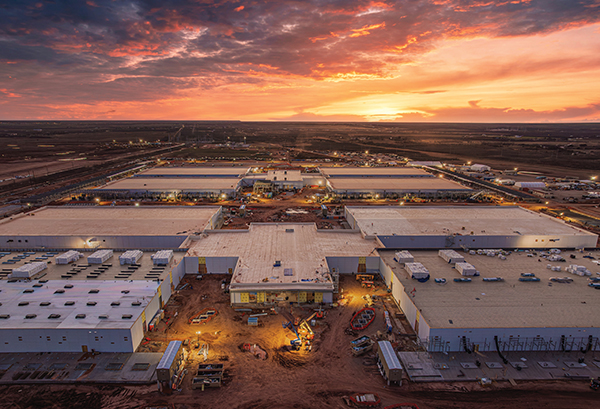
In 2021, the Development Corporation of Abilene (DCOA) partnered with energy technology company Lancium when the latter organization annexed mostly undevelopable land in the Abilene city limits to establish its flagship Clean Campus. Working alongside the City of Abilene and Taylor County, the DCOA helped forge a monumental partnership that secured the first tax abatement agreements in over a decade for the city and county.
The Stargate 1 project (nicknamed “Project Radiance”), announced in 2025, will use the existing Lancium Clean Campus infrastructure. It represents a collaboration between OpenAI,
Oracle, NVIDIA and Crusoe and will build a dedicated, high-power facility for training large artificial intelligence (AI) models. It will create eight data centers, each about 440,000 square feet, for a total of four million square feet at a cost of $47 billion and create 400 direct jobs.
The project, which is located in Abilene along I-20, cements Abilene’s reputation as a strategic and growing hub for logistics and industry. Abilene noted that the project, once complete, is expected to create more than $4 billion in estimated direct and indirect economic impact over 20 years. The facility will create opportunities for entry-level employees, skilled workers, IT professionals and engineers.
“Project Radiance is a testament to the strength of the Abilene and Taylor County economy and the long-term vision of our community,” said Misty Mayo, President and CEO of the Development Corporation of Abilene.
Hut 8
St. Francisville, West Feliciana Parish, Louisiana
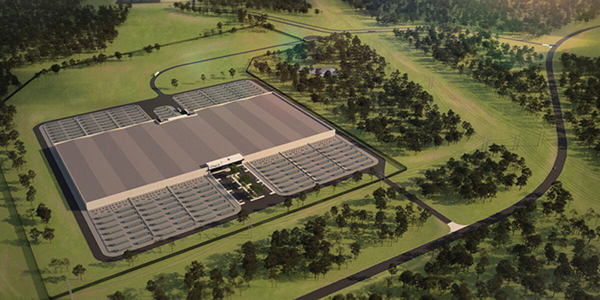
Energy is one of Louisiana’s greatest competitive advantages, and this advantage was the draw for a newly announced data center project in West Feliciana Parish. Digital infrastructure operator and Bitcoin miner Hut 8 announced in December of 2025 that it plans to develop the River Bend artificial intelligence (AI) data center campus in Southeast Louisiana and create a new $10 billion data center infrastructure project. Once operational, Phase I of the River Bend campus is expected to create at least 75 direct new jobs, with this number predicted to climb as future phases of the campus are developed. Designed as a scalable campus, the site positions the region for future expansion, co-located users and additional private investment, reinforcing Louisiana’s competitiveness in attracting large-scale, capital-intensive technology projects.
Working with Entergy Louisiana, Hut 8 has secured an initial 330 MW of utility capacity for the campus, supporting the initial River Bend lease, with the potential to scale by up to an additional 1,000 MW of utility capacity. By way of incentives, the state offered Hut 8 Quality Jobs - Payroll Tax Credits. Construction on the data center is already underway with operations expected to commence by the second quarter of 2027.
“Hut 8’s investment in River Bend builds on our track record of attracting global-scale projects in the industries of the future,” said Louisiana Governor Landry. “As the campus grows, it will further cement Louisiana’s position as a national leader in energy and innovation, creating thousands of jobs and reaffirming our ability to compete and win on the global stage.”
Amkor Technology
Peoria, Maricopa County, Arizona
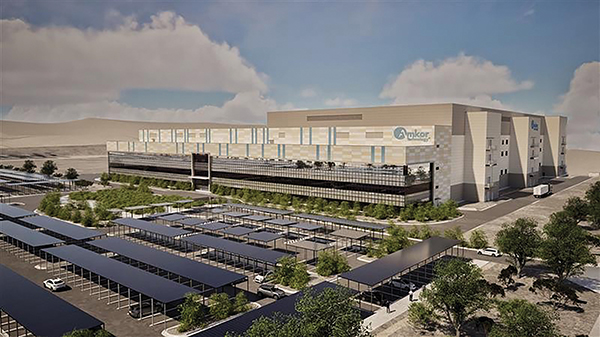
Among the companies chosen for this year’s CiCi Award in Capital Investment, Amkor Technology is the jobs creation champion, with a project that is expected to create 3,000 new jobs in Maricopa County.
In 2020, when Taiwan Semiconductor Manufacturing Company’s (TSMC) announced it would be building its first U.S. semiconductor fabs in Phoenix – just minutes from north Peoria along the Loop 303 – things changed for the region. In February 2024, Amkor Technology, a South Korean advanced packaging company, chose to expand its U.S. operations in Peoria because of its proximity to TSMC. Amkor purchased 56 acres in FIVE NORTH at Vistancia to build a one million-square-foot facility. Shortly thereafter, however, it became obvious that the purchase would be insufficient for Amkor’s needs. In reality, the company would require a minimum of 100 acres.
Fearing the loss of the project, Peoria began working on a Plan B, or a Core 2 location. This involved buying land from the Arizona State Land Department (ASLD) with the intent of moving Amkor to a new location even closer to TSMC. In August of 2025, Peoria won an auction for 834 acres at a cost of $47 million. Official groundbreaking of Amkor Technology on the new site began in October of 2025, at which time the company announced its plans to more than triple its capital investment to $7 billion and hire 3,000 employees with an average salary of $90,000. The project was saved through cooperation between the City of Peoria, ASLD, Land Resources (the Vistancia developer), Arizona Commerce Authority, Greater Phoenix Economic Council, Arizona Public Service and Western Maricopa Education Center. In addition to land acquisition by Peoria, the project has attracted $400 million in CHIPS Act funding from the federal government, and received incentives from the state’s AZ Competes Fund and the AZ Qualified Facilities Tax Credit.
Peoria’s appeal stems from a combination of its prime location, talented workforce and vision for the future. Arizona is a leading state in the semiconductor sector, ranking among the top three in employment, with the Greater Phoenix Region at the forefront of supply chain investment. Peoria plays a crucial role in this ecosystem, boasting a young, educated and affluent population from which to draw employees.
“Through Peoria’s strong partnership with Amkor, we have been able to display all that is possible when private and public industry come together to execute on a shared vision for innovation and growth,” said Jason Beck, Mayor of Peoria.
Korea Zinc
Clarksville, Montgomery County and Gordonsville, Smith County, Tennessee
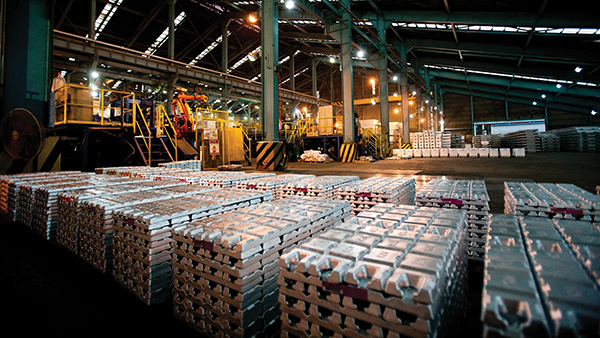
In Tennessee, the efforts of Governor Bill Lee and Deputy Governor/TNECD Commissioner Stuart C. McWhorter to engage in international recruitment efforts in Asia have yielded enormous benefits for the state. In December 2025, Korea Zinc announced that it plans to invest more than $6.6 billion in new production facilities in Clarksville and Gordonsville, Tennessee. The investment by Korea Zinc, the world’s leading comprehensive nonferrous metal manufacturer, represents the company’s first its first U.S. operations and the largest single private corporate investment in Tennessee’s history.
The two-site project is expected to create 420 new jobs in Montgomery County and an additional 320 jobs in Smith County over the next five years. The multi-county project includes construction of a new facility in Clarksville that will serve as Korea Zinc’s U.S. headquarters, housing executive leadership and advanced manufacturing operations. In Gordonsville, the company plans to reopen a former mine, restoring a long-dormant industrial asset and bringing high-quality jobs and economic activity back to a rural area. To attract the project, the Clarksville Montgomery County Industrial Development Board offered a Tier 5, 20-year PILOT (Payment in Lieu of Taxes) agreement. The project also earned Tennessee Valley Authority (TVA) incentives and a $45 million FastTrack Economic Development Grant from the state.
Korea Zinc’s investment is significant due to its role in reshoring critical mineral production essential to U.S. manufacturing, defense and advanced technologies. The company’s refining operations support key supply chains relied upon by the U.S. Department of War and other national partners, helping reduce America’s dependence on foreign adversaries for critical and strategic minerals and strengthening both national and international security.
“Korea Zinc’s decision to invest in Tennessee, which marks the single largest investment in state history, reinforces the importance of our strategic global recruitment efforts,” said McWhorter. “The international relationships we’ve built over the years have been essential in securing projects like this one. We are grateful to Korea Zinc for investing in Tennessee and to our partners for helping demonstrate the strength of the Tennessee story and the Volunteer Spirit to companies around the world.”
Eli Lilly and Company
Houston, Harris County, Texas
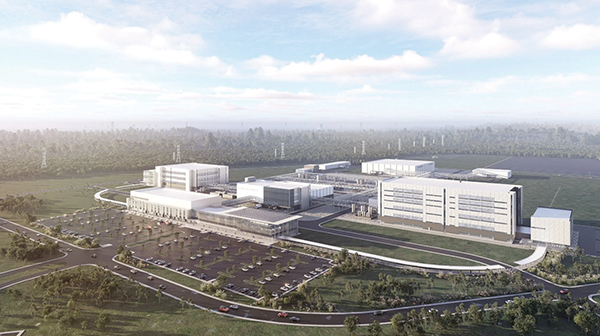
In February 2025, pharmaceutical giant Eli Lilly and Company announced it would be doubling its investment in the United States to $50 billion for the development of Active Pharmaceutical Ingredient (API) manufacturing facilities. Unique to the history of the CiCi Awards, the company represents four of the projects ranked in the top 15 of the Corporate Investment category.
The company’s new project in Harris County represents a $6.5 billion expansion of its API manufacturing capabilities and will result in an increase of 615 full-time jobs. The project is strategically housed in Houston, a major bioscience hub in the U.S. According to company estimates, for each dollar Lilly spends, four dollars are invested into local economic stimulation. The facility is the first of its size and scale in Texas and represents one of the single largest investments in the Houston region.
The new site in Harris County will focus on domestic production of next-generation small molecule synthetic medicines. Lilly’s announcement of greater-than-expected capital investment and job growth goes beyond its original commitments during the incentive application process, which involved a number of enterprise, innovation and job-related programs from the state, county and city totaling more than $634 million.
“Lilly’s decision to invest more than $6.5 billion in Harris County is a powerful testament to the strength of our community and its ability to support lifesaving work in the life sciences and create living wage jobs and equitable economic opportunities for working families in Harris County,” said Harris County Commissioner Rodney Ellis.
Eli Lilly and Company
Huntsville, Limestone County, Alabama
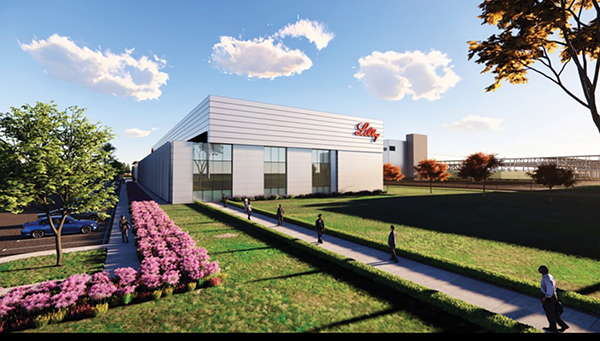
The second largest Eli Lilly and Company project in the CiCi Investment category represents the pharmaceutical giant’s plans to invest more than $6 billion in a new advanced manufacturing operation in Huntsville, Alabama. The new site, which will produce next-generation medicines including orforglipron, Lilly’s first oral, small molecule GLP-1 receptor agonist, will bring 450 jobs to the region, including engineers, scientists, operations personnel and lab technicians. The state attracted the project, in part, with Jobs Credit incentives valued at $23 million, Investment Credit valued at more than $85 million and AIDT valued at more than $45 million, of which $2.5 million is direct cash.
The Greenbrier South site in Huntsville was selected from more than 300 applications, partly based on its proximity to the HudsonAlpha Institute for Biotechnology, an established bioscience campus that supports workforce training and research. In addition to its workforce potential, the region offers ready access to utilities, transportation and favorable zoning and incentives.
“The competition for a manufacturing facility of this magnitude is extremely challenging, and this result shows Alabama’s pro-business climate, outstanding workforce and strong community support is a winning combination,” said Ellen McNair, Secretary of the Alabama Department of Commerce.
Hyundai Motor Group
Donaldsonville, Ascension Parish, Louisiana

For its first-ever North American steel mill, Hyundai Steel announced in 2025 that it had chosen Donaldsonville, Louisiana, a town of 6,800 residents with a median household income of $24,160. The facility will be the first fully integrated steel mill built in the United States in more than 60 years and will manufacture low-carbon automotive steel with 60 to 70 percent lower emissions than traditional mills. The project is expected to play a critical role in Hyundai’s supply chain while aligning with broader efforts to reshore American manufacturing. Hyundai is projected to create 1,300 direct jobs with an average salary of $95,000, representing an enormous economic win for Ascension Parish.
The $5.8 billion project is expected to have a transformational impact on the local community while significantly strengthening Hyundai’s domestic automobile production, with ripple effects across the Southeast and the nation. The new plant was attracted to the region in part because of several state incentives: FastStart - Custom Workforce Development incentives, Quality Jobs - Payroll Tax Credits and a performance-based grant for infrastructure and workforce development center enhancement for construction. In addition, to support the project, a new community college training facility will be established in support of not only Hyundai but additional manufacturing facilities in the area.
“Hyundai’s decision to invest nearly $6 billion in Ascension Parish speaks volumes about Louisiana’s skilled workforce, robust infrastructure and our ability to compete for innovative manufacturing facilities,” said Louisiana Governor Jeff Landry. “This announcement makes clear that Louisiana’s manufacturing sector is roaring back, thanks to our historic tax reforms, our business-friendly approach and the many competitive advantages our state has to offer international powerhouses like Hyundai.”
Eli Lilly and Company
Goochland County, Virginia
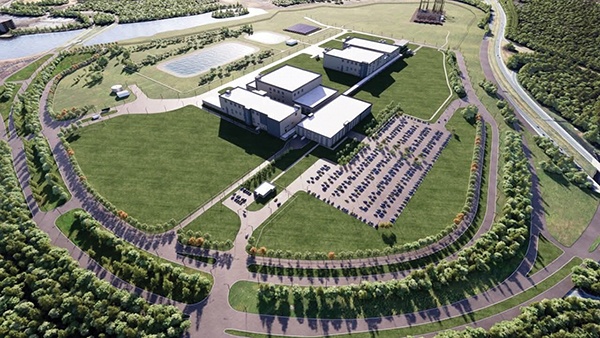
The third Eli Lilly and Company project highlighted in our awards is the company’s $5 billion new investment in Goochland County, Virginia. The new facility is a transformational project for Goochland, the Commonwealth of Virginia and the West Creek Business Park. This project marks one of the largest single private-sector investments in Virginia’s history.
In 2024, the Goochland County Board of Supervisors and the Economic Development Authority convened a strategic workshop focused on accelerating economic growth and achieving the county’s long-term goal of a 70/30 residential-to-commercial tax revenue split. From that effort, the Board authorized a $500,000 investment in business-ready site development. This step enabled the EDA to conduct comprehensive due diligence on the West Creek–Markel site, providing Eli Lilly with robust data, environmental assessments and conceptual layouts tailored to their operational needs. That foresight and readiness were key in positioning Goochland as the ideal location for the investment.
The project brings major infrastructure improvements that will unlock new opportunities for future investment. Dominion Energy’s partnership and commitment to meet tight construction timelines will bring enhanced electrical capacity to West Creek, creating a more competitive environment for high-tech and advanced manufacturing companies. Eli Lilly’s investment will also strengthen the alignment between Goochland’s workforce development initiatives and employer needs. Goochland County Public Schools is expanding its award-winning Career and Technical Education programs by launching new academies in logistics, mechatronics and robotics — disciplines directly tied to the needs of the life sciences and advanced manufacturing sectors.
From Goochland County, Eli Lilly will receive $45 million in local performance tax rebates. From the Commonwealth of Virginia, Eli Lilly was offered an historic incentive package, including $130 million in custom performance-based grants and training programs, including access to VEDP’s Talent Accelerator program. The Talent Accelerator Program will provide Eli Lilly with recruitment and training services to ensure their workforce needs are met and will partner with local community colleges and universities to provide them with a highly skilled workforce.
“The Eli Lilly investment in Goochland County is not only a testament to the county’s strategic vision and readiness, but also a catalyst for the continued diversification of Virginia’s economy. Its community impact — from workforce to infrastructure to long-term fiscal health — will be felt across the region and the Commonwealth for decades,” said Sara Worley, Deputy County Administrator for Economic & Community Development.
Eili Lilly and Company
Pleasant Prairie, Kenosha County, Wisconsin
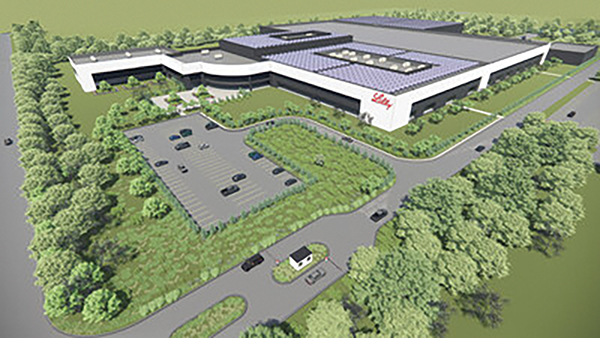
The fourth CiCi Award-winning Eli Lilly project is a $4 billion expansion in Wisconsin that will strengthen Wisconsin’s role in the biopharma supply chain while delivering lasting economic and community benefits. Lilly expects to add 750 highly skilled, high-wage jobs to the current 100-plus workforce at the Kenosha County location.
By increasing domestic capacity for injectable drug manufacturing, the project complements the federal government’s recognition of the Wisconsin Biohealth Tech Hub bridging research and development, manufacturing and health care accessibility goals. The project will contribute to lifesaving therapies while providing stable, family-supporting employment locally. To meet the highly specialized demands of the pharmaceutical manufacturing industry, Eli Lilly and the Wisconsin Economic Development Corporation (WEDC) will operate as contractual partners.
The project will unfold over a phased timeline. In the first year, site preparation and permitting will begin. By the second year, foundational and shell construction will advance, with utility infrastructure installed. In years three and four, equipment installation, cleanroom buildout and qualification processes will begin. By year five, initial operations will begin, with full capacity anticipated thereafter.
To attract the facility and to address the rapidly rising global demand for injectable medicines, the State of Wisconsin authorized up to $100 million in Enterprise Zone Tax Credits to support the project, which will add vital device assembly and packaging capabilities for prefilled syringes, autoinjectors and vials. The credits will be structured so the benefits are directly tied to achieving capital investment and job creation goals, protecting state interests and ensuring alignment of public support with real results. The incentive also gives Eli Lilly the financial certainty to proceed at the scale necessary for a world-class facility.
“As a designated Regional Technology Hub within the U.S., Wisconsin is a national leader in personalized medicine and biohealth, and through this partnership with Lilly, we’re going to keep advancing research and innovation and bolstering Wisconsin’s manufacturing industry, all while supporting workers, families and patients across the state and the world,” said Wisconsin Governor Tony Evers.
Cronus Chemicals, LLC
Tuscola, Douglas County, Illinois

Illinois is an agricultural powerhouse — a top producer of corn and soy, a leader in bio-fermentation and home to companies like ADM and John Deere. As of 2025, the state has a new agricultural leader: Cronus Chemicals LLC. In August of last year, the company announced plans to construct a new $2 billion fertilizer production facility in Tuscola, Illinois.
Today, demand for domestic ammonia outstrips supply, requiring it to be imported. Cronus Chemicals, which plans to produce 2,300 metric tons of anhydrous ammonia daily, will fill the gap with a new plant in Tuscola, a rural community in central Illinois.
Not only will this provide farmers in Illinois and other rich-soil Midwestern states with a “homegrown” source of fertilizer, but the project also stands to make Illinois and Cronus a global market leader. It will do so in an environmentally conscious way, through the use of carbon capture and storage, which will trap 90 percent of carbon dioxide emissions, and while providing job opportunities and economic growth. The new plant is expected to employ130 full-time workers once it is up and running in 2028. The facility will also provide locally produced fertilizers to Midwestern farmers.
Illinois is supporting Cronus’ ambitions with an EDGE agreement, forged over time to best suit the project’s needs. The partnership is huge for the region and is a testament to Illinois’ and the company’s fortitude.
“The EDGE incentive program has been critical to the continuous growth of Illinois’ economy,” said Douglas County Economic Development Corporation Director Kristin Richards. “This investment will not only support the construction of Cronus’ world-class facility, but it will also create good-paying jobs in Central Illinois. Cronus’ decision to build their new facility in Illinois is a testament to what makes this state the best place to live, work and do business.”
Ford Motor Co.
Louisville, Jefferson County, Kentucky
In 2025, the State of Kentucky announced the third-largest economic development project in state history with Ford Motor Company’s decision to invest in a $2 billion expansion in its Louisville Assembly Plant, boosting the Commonwealth’s position at the center of EV-related innovation. The project will introduce a new manufacturing process at the plant that will serve as the platform for an all-new electric mid-size pickup truck, securing 2,200 jobs. Ford’s presence in Kentucky dates back to 1913 and spans 112 years of growth in the commonwealth, employing more than 12,000 people in addition to 6,000 retirees. Ford partners with 165 Kentucky-based suppliers and contributes more than $11.8 billion in state GDP.
To encourage investment and job retention in the community, the Kentucky Economic Development Finance Authority (KEDFA) approved a supplemental project to an existing Kentucky Jobs Retention Act (KJRA) program agreement with the company. The performance-based agreement can provide up to $550 million in cumulative tax incentives based on the company’s total cumulative investment of $5.55 billion-plus across the original and supplemental KJRA projects with an annual job target requirement of up to 12,000 over the term of the agreement. In addition, Ford is eligible to receive resources from Kentucky’s workforce service providers. Those include no-cost recruitment and job placement services, reduced-cost customized training and job-training incentives.
“Ford has been part of the fabric of Louisville for more than a century, and this announcement is transformational for our city,” said Louisville Mayor Craig Greenberg. “Ford’s decision to maintain a strong manufacturing presence here reaffirms that Louisville is the best place in America for manufacturing. We have momentum, and we look forward to building on this trusted partnership with Ford for generations to come.”
Summit Next Gen, LLC
Houston, Harris County, Texas

In early 2025, Summit Next Gen announced plans to build a world-class sustainable aviation fuel (SAF) manufacturing and refining facility on the Houston Ship Channel in Harris County — a project that represents more than $1.6 billion in capital investment, making it the largest ethanol-to-jet fuel production facility announced to date in North America. The facility, which is expected to create 300 jobs, will be designed to convert 450 million gallons of ethanol annually — sourced from agricultural producers — into approximately 250 million gallons of sustainable aviation fuel and 13 million gallons of renewable diesel each year once operational.
The project qualified under Texas’s Jobs, Energy, Technology and Innovation (JETI) economic development program, underscoring its importance to the state’s economic and energy landscape. Beyond the facility itself, the infrastructure investment is expected to attract logistics providers, engineering firms, maintenance contractors and specialized industrial services, while creating high-skill jobs across construction, operations and supply-chain management. Over time, the project will lay the groundwork for a clustered sustainable aviation fuel and energy-transition ecosystem along the Ship Channel, reinforcing Houston’s role as a global hub for next-generation fuels and advanced energy manufacturing.
“Summit Next Gen, LLC’s establishment of a world-class sustainable aviation fuel manufacturing and refining facility along the Texas Gulf Coast is a great affirmation of the desirability of our region for businesses seeking to succeed and grow,” said Greater Houston Partnership President and CEO Steve Kean. “This cutting-edge plant, poised to become the largest ethanol-to-jet fuel production facility in North America, underscores the region’s leadership in energy innovation.”
Vulcan Elements
Benson, Johnston County, North Carolina
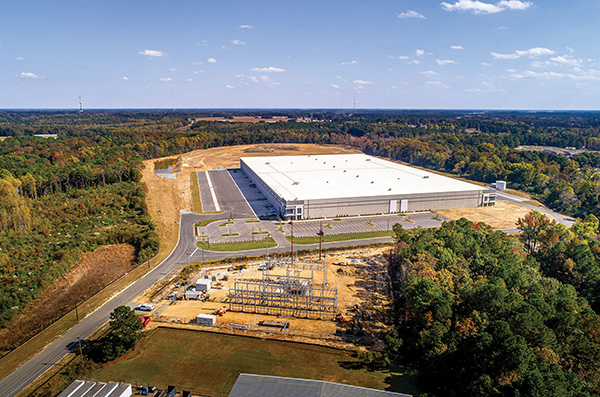
In the effort to reshore critical manufacturing operations in the United States, the production of rare earth minerals has been one of the most challenging hurdles to overcome. In late November, Vulcan Elements, a manufacturer of Neodymium Iron Boron rare earth magnets, announced that it had chosen Benson, North Carolina for a $1 billion rare earth magnet manufacturing facility. Founded in Research Triangle Park, Vulcan Elements recently announced a $1.4 billion partnership with the U.S. government to expand to 10,000 metric tonnes of magnet manufacturing capacity. This represents a critical milestone toward onshoring an essential supply chain for American economic dynamism and national security.
The facility in Benson will create approximately 1,000 jobs. Vulcan Elements will operate out of Crosspoint Logistics Center, a 90-acre industrial property at 230 Morgan Road in Benson. The site currently houses a 501,000-square-foot industrial building, which Vulcan will expand to encompass more than one million square feet. Vulcan’s choice of Benson was the culmination of a site search across numerous states. Benson accommodated Vulcan’s need for scale, power, transportation systems and workforce. Its personnel will be drawn regionally and include a broad range of technical, scientific and logistics professionals — making Benson’s equidistance to Triangle research universities and eastern North Carolina’s numerous military bases a key selection factor. Local and state level economic development incentive grants were offered, including worker training credits and road improvements.
“Numbers tell an exciting story about Vulcan Elements’ arrival in Johnston County and the Town of Benson, but this project speaks just as compellingly to our spirit of collaboration and strong sense of duty to the nation – and you can’t assign a dollar value to that,” said Chris Johnson, Director of the Johnston County Office of Economic Development.
Intervet Inc., dba Merck Animal Health
DeSoto, Johnson County, Kansas
In the growing industry of biopharmaceuticals, animal health solutions are making a large economic mark. In May of 2025, Merck Animal Health, a division of Merck & Co., Inc., announced an $895 million expansion of its manufacturing facility in De Soto, Kansas. (In the U.S., Merck Animal Health operates as Intervet Inc.)
The expansion, a public-private partnership, will be constructed on an existing Merck-owned property that is the site of its biologics facility. It includes an $860 million investment in the site’s existing manufacturing facility and a further $35 million investment in its research and development laboratories. The expansion is expected to create 200 jobs. Commercial manufacturing is expected to begin in 2030.
The 200,000-square-foot manufacturing facility project will expand filling and freeze dryer capacity for large molecule vaccines and biologic products for Merck Animal Health. As a Center of Excellence, it will play a pivotal role in the manufacturing of Merck Animal Health’s products and will complement Merck Animal Health’s extensive U.S. and international network of animal health product manufacturing plants.
Merck Animal Health is partnering with the State of Kansas on expansion of the existing manufacturing facility. The investment demonstrates Merck Animal Health’s commitment to the U.S. market, in which the company has significantly invested to deliver innovative health solutions that advance the prevention and treatment of animal diseases. This marks one of the largest economic development projects in Kansas’ recent history and the largest for Merck Animal Health.
“Merck’s massive expansion in De Soto further elevates Kansas’ long-established status as a global leader in animal health,” said Lieutenant Governor and Secretary of Commerce David Toland. “The opportunities and ripple effects of having almost $1 billion surge into the local economy will have far-reaching and long-lasting reverberations across the entire state. Historic investments such as these truly benefit all Kansans, both now and into the future.”
GE Appliances
Louisville, Jefferson County, Kentucky
In August of 2025, GE Appliances announced the second-largest investment in the company’s history with a $3 billion investment in its U.S. manufacturing operations over the next five years. The company’s global headquarters in Louisville, which represents a $490 million investment, will serve as the central location for research, product design, development and testing. The project, at Appliance Park in Louisville, is expected to create 800 jobs to overhaul and redesign GE’s front-load washer production lines. The investment will further strengthen the company’s laundry manufacturing leadership and meet growing consumer demand with enhanced product variety and speed to market.
To attract the project, the Kentucky Economic Development Finance Authority (KEDFA) approved a supplemental project to an existing Kentucky Jobs Retention Act (KJRA) program agreement with the company. The performance-based agreement will provide up to $113.5 million in cumulative tax incentives based on the company’s total cumulative investment of $1.2 billion-plus across the original and supplemental KJRA projects with an annual job target requirement of up to 8,000 over the term of the agreement.
“GE Appliances has established Kentucky as America’s destination for advanced manufacturing and job creation, and today’s news shows this iconic company’s unwavering belief in the commonwealth and the role we play in their success,” said Kentucky Governor Andy Beshear. T&ID
Related Agencies
- Development Corporation of Abilene
- Texas Economic Development Corporation
- West Feliciana Parish Community Development Foundation
- Louisiana Economic Development
- Peoria, AZ Economic Development
- Maricopa Economic Development
- Arizona Commerce Authority
- Clarksville-Montgomery County Industrial Development Board
- Tennessee Department of Economic & Community Development
- TVA Tennessee Valley Authority Department of Economic Development
- Greater Houston Partnership
- Texas Economic Development Corporation
- Alabama Department of Commerce
- Ascension Economic Development Corporation
- Goochland County Economic Development
- Kenosha Area Business Alliance Inc.
- Wisconsin Economic Development
- Illinois Economic Development Corporation
- One Louisville
- One Louisville
- Kentucky Cabinet for Economic Development
- Johnston County Economic Development
- Economic Development Partnership of North Carolina
- Southwest Johnson County Economic Development Corporation
- Kansas Department of Commerce
About the Author