
|
|

|
|
|

|
|
|
|
|
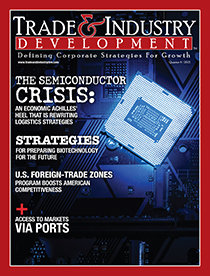
In this issue, our 20th annual CiCi awards recognize investment and community impact projects from 2025. These projects span a wide variety of vertical industries, many of them high technology, from all across the United States. We’ve chosen 31 projects that represent high-capital investment or community improvement, or both. Our features cover the latest information in retail, corporate headquarters and commercial real estate, with a special look at newly implemented tariffs, and our spotlights look at Colorado, Georgia, Ontario, Texas, Washington and Wisconsin.
Read more...
|
|
|
|
|
|
|
|
|
|
Featured Location
|
|
|
|
|
|

|
Enterprise Florida (EFI) has recently announced the evolution of their global brand, “Florida – The Future is Here.” In the highly competitive environment of economic development, the new “Break Through” campaign showcases the tremendous amount of success businesses can have in Florida.
....Read more |
|
|
|
|
|
Featured Articles
|
|
|
|
The Semiconductor Crisis: An Economic Achilles’ Heel
|
|
|
|
|

|
Businesses and consumers are feeling the effects of the chip shortage, and neither can find the resources needed to thrive in our “new normal.” The global semiconductor shortage has cost businesses billions in revenue and the end is nowhere in sight. Overseas shipping ports continue to experience shutdowns. This has created a “perfect storm” for a chip crisis.
Read more...
|
|
|
|
|
|
|
|
Biotech Companies Are Preparing for the Manufacturing Future
|
|
|
|
|
Biopharmaceuticals are one of the world’s growth powerhouses. In 2020, the global biopharmaceuticals market was worth $325 billion, and it is expected to grow with a compound annual growth rate of between seven and eight percent. Companies are tasking their manufacturing and supply chain leaders to prepare their sourcing, manufacturing and distribution operations for the future.
Read more...
|

|
|
|
|
|
|
|
|
The U.S. Foreign-Trade Zones Program Helps U.S. Industry Compete
|
|
|
|
|

|
For years, the use of the U.S. FTZ program by manufacturing and production operations has steadily grown thanks to the array of benefits it offers. As supply chains have become more global, and as global and regional trade agreements have changed the tariff structures within which U.S.-based manufacturers operate, the FTZ program has become of strategic importance.
Read more...
|
|
|
|
|
|
|
|
Access to Markets Via the Nation’s Ports and Depots
|
|
|
|
|
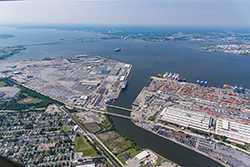
In 2020, the U.S. imported goods valued at about 2.8 trillion from its international trading partners and exported $2.1 trillion. Trillions more in domestic products were shipped inside U.S. borders. These goods flowed through American sea and river ports, road or rail, depots, and airports. Ports are critical to the economic health of the country
Read more...
|
|
|
|
|
|
|